Chipp.in Tech News and Reviews

Windows, Security & Privacy, Open Source and more

Menu
  • Home
  • Windows
  • Security & Privacy
  • Gaming
  • Guides
  • Windows 11 Book
  • Contact
  • RSS Feed
Menu

Amazon seems to turn Echo Show devices into personal advertisement billboards for your home

Posted on October 13, 2025 by Martin Brinkmann

I try to avoid ad-powered devices or services as much as possible. Besides privacy implications, there is wasted time and bandwidth to consider among other things. On some systems, ads are often used in malware campaigns as well.

I do not really mind when companys sell products and make it very clear that they are ad-powered. It is your decision to buy it or skip it. I’d prefer an ad-free world, but that seems highly improbable. What I mind is if a company adds advertisement after you bought a device and did not make it clear back then that it could use the device to show you ads frequently or even all the time.

Amazon did this with Prime Video, which it turned from an ad-free streaming service into an ad-powered one for all users. You have to buy an add-on to get rid of ads, and even that does not get rid of all the ads, apparently.

Now, reports are coming in that Echo Show devices are being turned into full-screen advertisement billboards.

Echo Show devices fall into the smart home category. You can communicate with them using your voice and they may be used to control and monitor smart home devices, display photos, play media, help you with cooking, and more.

Some Echo Show devices are quite expensive. The Echo Show 21, Amazon’s latest device, costs $350 right now. Add some much needed peripheral, like an adjustable stand, and you end up paying $440 for the device with stand.

Some customers reported that they noticed full-screen display ads on their Echo Show devices for months, while others have not noticed them at all. It could be that Amazon is rolling this out slowly to go into damage-control-mode if things get out of hand regarding publicity, or that it is testing the waters.

Owners of said devices started to notice the ads, which may appear between photos, when you have set the device to show a photo slideshow. They may also show up when the device is set to show different categories.

The ads appear to be quite intrusive and most users who mentioned them on sites like Reddit do not appear to be pleased. That is understandable, considering that Amazon does not really mention ads at all on the product page on its website. You find mention of ads in the customer reviews though.

Furthermore, as the Verge is reporting, Alexa Plus, Amazon’s next-generation AI-powered voice assistant, is reportedly also showing full screen ads for its own services.

In closing, it appears that Amazon is pushing ads even more than Netflix or Disney do. It is quite problematic for customers who purchased a device that cost several hundred Dollars. They expected a device that would show them a photo slideshow, and only photos of that slideshow, and not an ad between every second or third photo.

Whether Amazon’s strategy regarding advertisement is going to hurt the company in the long run remains to be seen. After all, Netflix, Disney and Co. are also not bleeding users after they introduced ad-supported plans.

Now You: What is your take on this? Would you buy a device with ads? Feel free to leave a comment down below.

Windows 11 is removing an option to bypass Microsoft account and internet during setup

Windows 11, Version 23H2 Home and Pro will stop getting updates starting next month

Posted on October 12, 2025October 12, 2025 by Martin Brinkmann

If you still run a device with the Home or Pro editions of Windows 11, version 23H2, then you may want to consider upgrading it to a newer version of Windows 11. Microsoft published a reminder that the particular version of the operating system is reaching end of life in November 2025 for consumer devices.

The details:

  • Affects Windows 11, version 23H2 Home and Pro editions.
  • Support ends after November 11, 2025.

Microsoft writes on its website:

Windows 11 Home and Pro, version 23H2 will reach the end of updates on November 11, 2025. This version was released in October of 2023.

This edition will no longer receive security updates after November 11, 2025. Customers who contact Microsoft Support after this date will be directed to update their device to the latest version of Windows 11 to remain supported.

Microsoft released the operating system in 2023. It is supporting specific consumer versions of its Windows 11 operating system for 24 months. Business customers get an additional 12 months worth of support for specific versions of the operating system.

Tip: use the two keys Windows-key and R to open the runbox. Type winver and hit the Enter-key. This displays the version that is installed on a device currently.

The solution

Most home devices should support Windows 11, version 24H2 or this month’s Windows 11, version 25H2. Both upgrades won’t install too quickly, unlike the upgrade from 24H2 to 25H2. Expect multiple reboots during the upgrade process.

Should you upgrade to 24H2 or 25H2? New Windows versions are better to be avoided in the first months after release. While 25H2 is a smallish release, it should not be a problem to upgrade to Windows 11, version 24H2 first. The upgrade to 25H2 should not take long once you feel ready to install it.

Most devices should upgrade fine via Windows Update in the Settings app. Just open it, maybe hit the check for updates button, and you should see a new version offered to you.

This may not be the case if you bypassed system requirement checks during installation of Windows 11, or if a safeguard hold is in place. You can check out my guide on upgrading Windows 11 on systems that do not meet all requirements.

Why Not Win 11 App

Test your PC’s Windows 11 compatibility with free WhyNotWin11

Posted on October 10, 2025October 10, 2025 by Martin Brinkmann

While Microsoft has its own tool for checking if a PC meets the system requirements of its Windows 11 operating system, it is generally considered rather heavy and not overly useful.

If you have come to the same conclusion, you may prefer an open source alternative that is both free and lightweight.

WhyNotWin11 is developed by serial developer Roby C. Mahel, whom you may know for his work on MSEdgeRedirect and other open source apps already.

The main purpose of WhyNotWin11 is simple: check, if your PC meets the system requirements to find out if you can upgrade without hassles.

All you need to do is download the app and run it. No installation, no ads, nothing that is considered bloat.

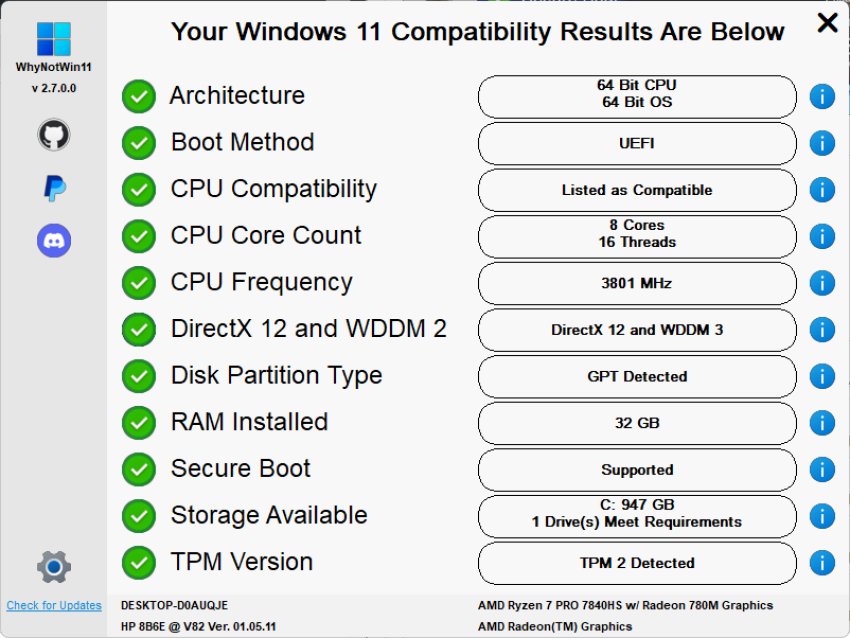
The app runs its checks on start automatically and presents its findings to you in its interface after a short moment.

Note that you can run the app on Windows 11 as well. Handy, if you installed the operating system and used bypasses for certain requirements.

The program color codes results. Green checkmark tell you that everything is fine, but you will also known if a component does not meet Windows 11’s minimum requirements.

WhyNotWin11 does not prioritize certain components over others, which could improve usability. Arguably, some checks are more important than others. For instance, the CPU or TPM version checks, while others, like CPU frequency, may not be as important, at least not for making upgrade decisions.

Still, it is easy enough and you see at a glance if your system fails to meet requirements. You can hover over the i-icon next to an entry to find out more about it.

WhyNotWin11 does not provide suggestions or tips to resolve compatibility issues. You find a few help guides in settings though. These explain how to enable secure boot or the TPM. There is also a link to the official Windows 11 requirements and to skipping some of the checks.

All guides open websites though.

Closing Words

WhyNotWin11 is a handy open source tool to quickly check the Windows 11 compatibility of a PC. It is a portable app, which means that you can run it without installation. Ideal for placing it on a USB tools collection and carrying it around whenever you do some troubleshooting work.

Now You: do you use lightweight open source tools like WhyNotWin11 regularly? Feel free to highlight apps that you recommend in the comments below.

Microsoft breaks more Windows 11 local account creation options

Posted on October 7, 2025October 7, 2025 by Martin Brinkmann

It is clear that Microsoft is pushing Windows 11 users towards using a Microsoft account. While using one has advantages, part of the user base prefers local accounts because they are not tied to a Microsoft account, offer more privacy, and there is no risk of accounts being banned by Microsoft.

Up until now, workarounds existed to create local accounts in Windows 11. These required a bit of magic during setup, but they let users create a local account immediately.

Going forward, it appears that Microsoft is tinkering with Windows setup to make these bypasses go away.

In a recent Insider build, it posted the following announcement:

We are removing known mechanisms for creating a local account in the Windows Setup experience (OOBE). While these mechanisms were often used to bypass Microsoft account setup, they also inadvertently skip critical setup screens, potentially causing users to exit OOBE with a device that is not fully configured for use. 

The consequence, according to Microsoft? “Users will need to complete OOBE with internet and a Microsoft account, to ensure device is setup correctly.”

In other words, Microsoft is forcing users to go through the process of setting up their device and system with a Microsoft account. Even users who have no interest in using one are required to use one during setup.

They can still create a local account after setup ended and remove the Microsoft account, but this requires even more work on their part to set up the operating system.

Microsoft says that it is doing so because setting up using local accounts bypasses “critical setup screens”. The company does not reveal which, but if your first thought is upsells, you are probably not too far off the mark here.

Using a Microsoft account is the first step towards signing up for Microsoft 365 — you need Office and more online space right — or a Game Pass — you play games, right — or towards using Copilot, Edge or other company products.

Bypasses continue to exist, but they require tweaking Windows installation media, something that most users may not be willing to do. It may also lead to more downloads of installation media from third-party sources, which is also increasing the risk of malware infections.

Another option, at least for now, is to set up Windows 11 using an older image. This should work but may require extended upgrades to make sure the system is supported.

Now You: what is your take on this? Should Microsoft give users clear options to use local accounts or a Microsoft account? Feel free to leave a comment down below.

Firefox 143.0.4 fixes Google connection problems

Posted on October 5, 2025October 5, 2025 by Martin Brinkmann

If you use Firefox and have had issues connecting to some Google-owned properties and services, then you may have experienced an issue that Mozilla fixed in Firefox 143.0.4.

The fourth point update for Firefox 143 addresses a single issue. While it is not uncommon for Mozilla to release point updates — smaller updates that fix pressing matters or security issues — it is rarer to see a single issue release.

It has been less than a week that Mozilla released Firefox 143.0.3 to address bugs and security issues in the browser.

Mozilla notes that the release improves “Firefox’ connection fallback behavior to mitigate sporadic slow/failed loads on some Google sites”. The issue affected devices with Firefox with certain third-party software installed.

The release notes do not provide any details, but the bug report over at Bugzilla does.

According to it, users started to note the behavior on Google Drive. Tests with other browsers confirmed that the issue was Firefox-specific. The investigation revealed that HTTP/3 connections were blocked, which forced Firefox to fallback to HTTP/2, but a bug caused these connections to fail to be created.

The update fixes the issue. Firefox users who use the browser to connect to Google services and noticed issues connecting to them should install it right away to fix the issue. Everyone else shouldn’t feel any hurry to install it.

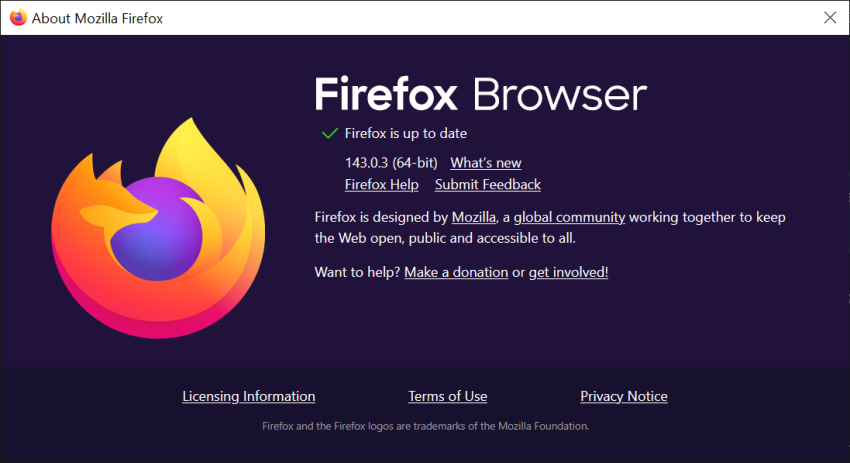
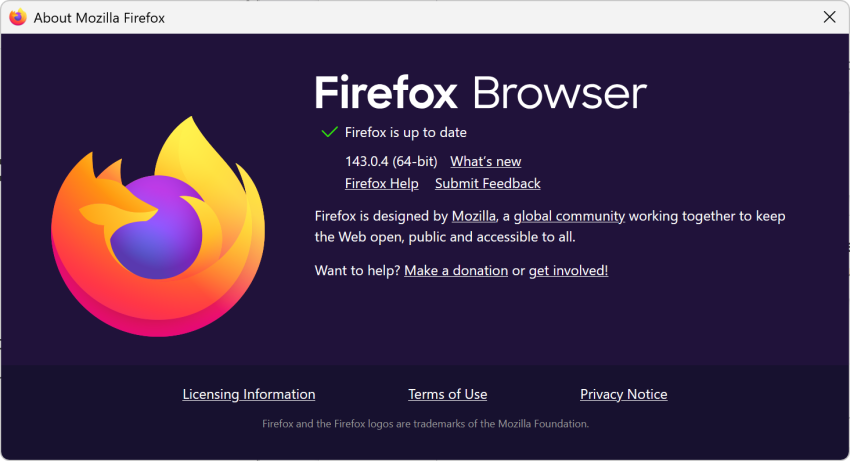
The new version is available already. You can force the installation by selecting Menu > Help > About Firefox in the main menu. This should trigger the download and upgrade.

The next major Firefox release is scheduled for October 14, 2025. It is the same day that Microsoft is ending support for Windows 10 on officially.

You can now try Perplexity’s Comet AI browser for free

Posted on October 3, 2025 by Martin Brinkmann

After launching its Comet AI web browser exclusively for paying subscribers, Perplexity has now made it downloadable for everyone. You can download the browser from the official website for testing, even if you do not have a Perplexity account.

However, Perplexity limits functionality of the browser in that case. First, Comet is a Chromium-based browser. That is good on the one hand, as it offers similar performance and compatibility as Google Chrome. It also means that you can install browser extensions that are compatible with Chrome in the desktop version.

You can import your last browsing session from most other browsers on first start, but can skip it as well. Afterwards, Perplexity displays a few options to you, which most users may want to disable. This includes autostarting the browser with the operating system, making it the default browser, or sending telemetry data to Perplexity.

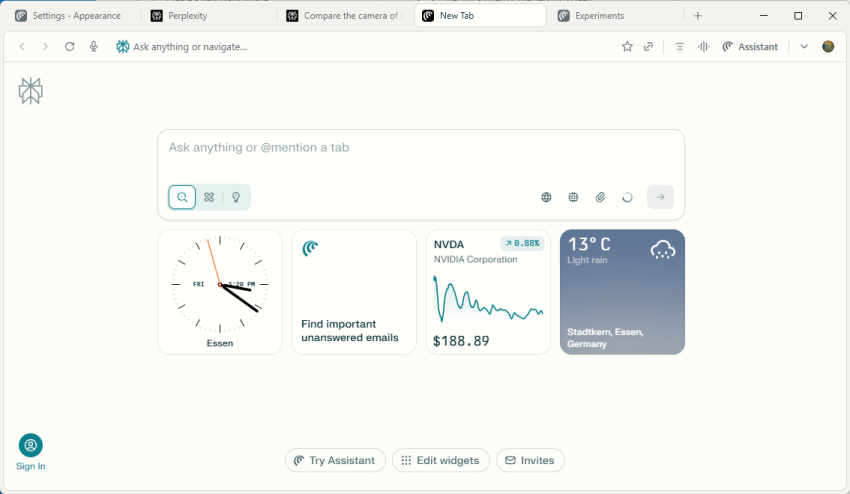
The browser opens and it looks like Chrome for the most part. That is to be expected, as all Chromium-based browsers look pretty much the same. The new tab page displays a few widgets, like the time or Nvidia’s stock price. The star of the show is the text prompt at the top. You may use it to interact with Perplexity’s AI.

Comet Assistant displays a few suggestions when you activate the text field, such as “Find emails from the last 7 days that require replies and draft responses”, or “find top rated noise-cancelling headphones under $300 and open product pages from three major retailers with the lowest prices”.

So, it is basically an AI chat, but this AI has agentic capabilities. It is rather limited for free users, as pro searches and several other features are not available in that case.

The browser displays its results on Perplexity’s website. In fact, you may get similar results when you use the company’s website directly to interact with the AI.

You may also notice that you get constant requests to sign in, if you do not. Open a new tab page, get a request. Similarly, prompts may be displayed on the results page.

If you do not sign-in, you get access to base AI features only. You can’t, for example, change the AI model that the browser uses to process queries. There is also no option to upload files or photos for processing, or run deeper queries.

However, results looked fine in quick tests, even non-Pro searches. Whether the information is accurate is another topic. As is the case with all AI, you should verify important information before you act on it.

Perplexity is Chromium-based. Which is good. You can open chrome://flags to tinker with advanced preferences, and get most of the settings of the browser as well.

Now the big question that I still have regarding all these AI browsers is about the “why” and whether that why warrants paying a monthly subscription fee. Why should I use such a browser? I do not really see the killer-application for it right now. Yes, it can run deep research tasks for you or perform some tasks for you, but how useful is that really, especially if you prefer to stay in control the whole time?

Anyway, you can give Perplexity a try, if you want.

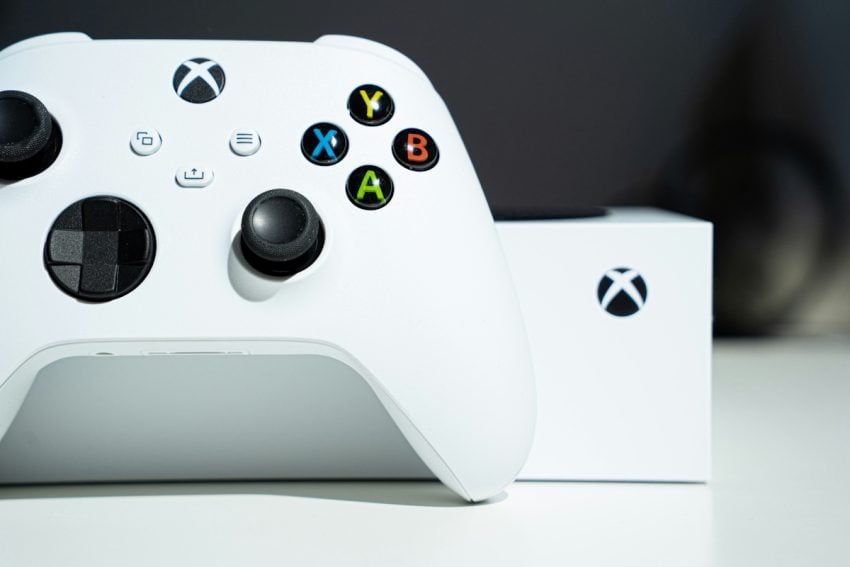
Microsoft makes Game Pass so expensive, that buying games suddenly becomes the cheaper option for some

Posted on October 2, 2025October 2, 2025 by Martin Brinkmann

While companies love subscription-based services, more and more users realize that they are more often than not that beneficial.

Microsoft just announced another price increase for Game Pass, the last dating back just a year. Game Pass Ultimate jumps from $20 to $30 per month once the changes go life. Considering that Game Pass Ultimate cost just $17 in early 2024, it is a massive increase of the most expensive plan.

Furthermore, Microsoft is changing the other Game Pass plans. Game Pass Core subscribers are moved to Game Pass Essential, the lowest tier and Game Pass Standard subscribers are moved to Game Pass Essential. The price of the two plans remains at $10 and $15 per month, for now at last.

Microsoft justifies the price increase by pushing “more day one games than ever before” to Game Pass Ultimate. There is also Fortnite Crew & Ubisoft+ Classics that Ultimate subscribers get access to for the very first time.

Additionally, they get “enhanced Xbox cloud gaming streaming quality up to 1440p, rewards with Xbox, and more” according to the announcement.

It appears that the announcement has pushed subscribers into cancelling their subscriptions. The servers are not responsive at the time and while Microsoft has yet to announce anything regarding the servers, it is clear that some subscribers are not happy about the price increase.

It is quite possible that the inclusion of Ubisoft+ Classics, which Microsoft values at $8 per month, is a reason for the major price increase.

However, at $360 per year, Game Pass Ultimate is not the bargain subscription service that it started out as. With an average price of $60 per game, ex-Ultimate subscribers could purchase six major games per year and own them.

That means the option to resell them or play them whenever they feel like it on as many systems as they like.

Granted, the price may still be worth it for die-hard Xbox and Microsoft fans who want access to games that Microsoft’s gaming division releases throughout the year. For many subscribers, however, it seems that Game Pass has lost its appeal thanks to the recent price hike, and the one that is likely coming next year.

Firefox 143.0.3 is out with security fixes and more

Posted on September 30, 2025September 30, 2025 by Martin Brinkmann

Mozilla released a new point update for its Firefox web browser today. Firefox 143.0.3 is a security update that fixes also some non-security issues in the open source browser.

The new update is available already via the browser’s automatic update feature. Existing users may speed up the installation of the update by selecting Menu > Help > About Firefox. This opens a small window in the browser that displays the current version and a check for updates.

Firefox should pick up the update automatically at this point, but you need to restart the browser once to complete the installation. Opening the page again after installation should reveal the new version.

The official security release notes reveal that Mozilla addressed two security vulnerabilities in the release. Both have a severity rating of high. They affect the JavaScript engine and the Canvas2D component of the browser. Mozilla makes no mention of exploits in the wild, but it is still recommended to update quickly.

The non-security release notes list six issues that Mozilla fixed or improved in the release. Probably the most noteworthy is a fix for extension not updating via the add-ons manager of the browser.

Another issue fixes a Firefox crash that could happen when certain extensions are installed. These caused a storage issue that could lead to Firefox crashing on start of the browser.

Firefox users who noticed long delays when opening certain websites may also see improvements after installing Firefox 143.0.3. Mozilla reduced the delays, which happen on certain websites if the network blocks UDP connections.

The three remaining fixes address minor problems in Firefox, such as Firefox View sections not collapsing or expanding as expected. You can check out the full release notes on Mozilla’s website.

PSA: If you use Windows 11 and Microsoft 365, new apps will be installed automatically starting next month

Posted on September 29, 2025September 29, 2025 by Martin Brinkmann

Nothing is more exciting than new apps that do get installed automatically on your devices, right? That’s probably Microsoft’s official argument for starting to force-install new Microsoft 365 companion apps on Windows 11 devices from next month onward.

Microsoft confirmed the decision to Microsoft 365 administrators, but it has not informed regular customers of its Microsoft 365 service about it to my knowledge.

Here is what is going to happen: Starting in “early October 2025”, Microsoft will install the Companion apps People, Files, and Calendar on any Windows 11 device, provided that Microsoft 365 desktop client apps are installed.

Wonder what those do?

  • People app: Extends search functionality for contacts, option to send messages and start chats, use Copilot, view profile cards and availability.
  • File app: Find cloud and local files, preview file content, share with colleagues, filter using new filters, e.g., by activity, and use Copilot.
  • Calendar app: view agendas or days, open meeting details, find events, edit meetings, use Copilot.

These apps will appear in the Start menu by default. What they have in common is that they introduce even more Copilot AI functionality on the Windows system. The integration focuses on app-specific tasks, for instance to find out what a specific user is working on at the time or drafting a new message to catch up.

Microsoft gives system administrators options to disable the rollout. Means, the apps won’t get installed automatically on managed devices, if the administrator does not allow it.

Home users, on the other hand, are once again kept in the dark by Microsoft. Users may uninstall the apps after they have been installed, according to Microsoft.

While there is a chance that Microsoft is making last-minute changes to its plans, for instance by making the apps install manually only, nothing of the kind has been confirmed officially at this point.

Now You: what is your stance on auto-installing apps on your devices? Feel free to leave a comment down below.
Search image with Google Lens

Firefox is getting visual search capabilities powered by Google Lens

Posted on September 28, 2025September 28, 2025 by Martin Brinkmann

Mozilla is rolling out a new feature in recent versions of the Firefox web browser that introduces visual search functionality. This allows users to run visual searches by right-clicking on images.

Mozilla lists several main applications for the new feature on its Connect website.

  • Find similar products, places, or objects.
  • Copy, translate, or search text from images.
  • Get inspiration for learning, travel, or shopping.

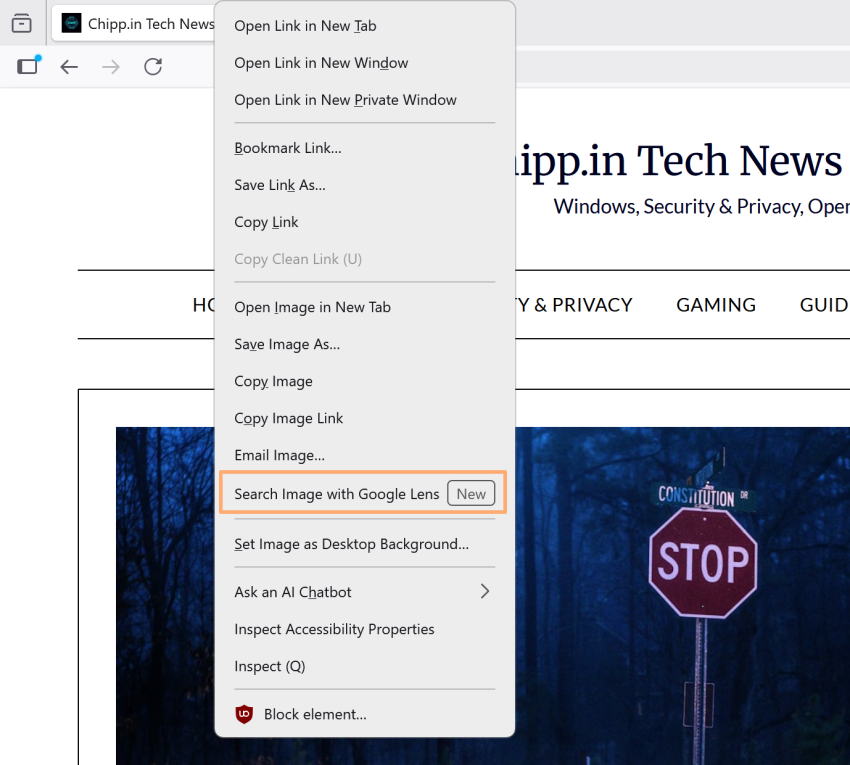
Right-click on any image displayed in the browser and select the new “Search Image with Google Lens” option to start a new search.

The feature is limited to Firefox on the desktop currently and it is rolling out worldwide. Most Firefox users won’t see it right away, but it can be enabled via about:config.

Here is how that is done:

  1. Load about:config in the browser’s address bar.
  2. Search for browser.search.visualSearch.featureGate.
  3. Click on the toggle icon to set the feature to True.
  4. Restart Firefox.

This enables the feature. You can test it by right-clicking on an image in Firefox and selecting the new Google Lens visual search option from the context menu.

Tip: you can turn off the feature at any time by setting the experimental flag to false in about:config. This removes the context menu entry in Firefox.

Here is what happens when you select the option: Firefox redirects the search request to the official Google Lens website. From there it is all Google and you should see similar images and information about the image among other things.

The feature addition will likely see mixed receptions. Some Firefox users may like the ability to run visual searches quicker through the browser’s context menu. Before that, they had to go save and upload the image to Google Lens manually or install a browser extension such as Search on Google Lens.

Others may dislike the additional entry in the context menu, for instance in fear or accidentally sending an image they view in the browser to Google Lens.

To be honest, it is unclear why Mozilla would introduce the feature natively in Firefox if an open source browser extension is already available

Now You: what is your take on this? Useful addition in Firefox or something that you have no use for?

  • Previous
  • 1
  • …
  • 9
  • 10
  • 11
  • 12
  • 13
  • 14
  • 15
  • …
  • 70
  • Next

Support This Site

If you like what I do please support me!

Any tip is appreciated. Thanks!
  • March 4, 2026 by Martin Brinkmann The March 2026 Android Security update is here and you should install it asap (if you can)
  • March 3, 2026 by Martin Brinkmann Google to release two Chrome Stable releases per month
  • March 2, 2026 by Martin Brinkmann Don't Bother with Windows 11's new Speedtest feature
  • February 27, 2026 by Martin Brinkmann Warning! That laptop on Amazon? It comes with temporary storage
  • February 26, 2026 by Martin Brinkmann "If your printer works today, it will continue to work": Microsoft corrects previous announcement

About

We talk, write and dream about Technology 24/7 here at Chipp.in. The site, created by Martin Brinkmann in 2023, focuses on well-researched tech news, reviews, guides, help and more.

Legal Notice

Our commitment

Many websites write about tech, but chipp.in is special in several ways. All of our guides are unique, and we will never just rehash news that you find elsewhere.

Read the About page for additional information on the site and its founder and author.

Support Us

We don't run advertisement on this site that tracks users. If you see ads, they are static links. Ads, including affiliate links, never affect our writing on this site.

Here is a link to our privacy policy

©2026 Chipp.in Tech News and Reviews